

Introduction
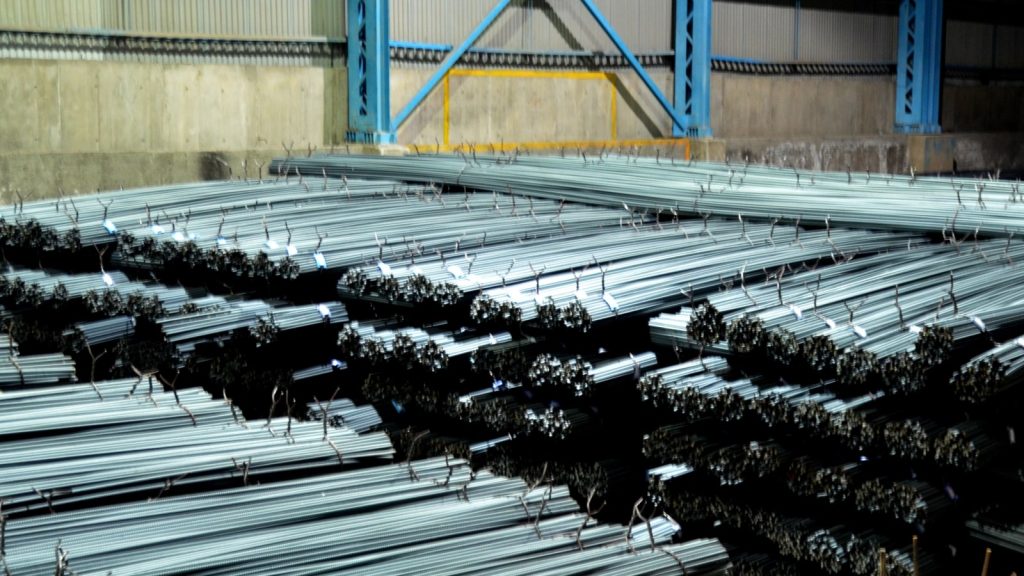
Steel rebar is one of the most essential materials in the construction industry, playing a key role in the strength and durability of concrete structures. In this comprehensive guide, we will examine the types of rebar, their characteristics, and their applications in the construction industry.
Classification of rebars based on tread type
1. Plain rebar (A1)
Features:
Completely smooth surface and no tread
Tensile strength 360 MPa
High flexibility
Applications:
Seal and mesh construction
Low-stress structures
Metal industries and bolt and nut production
2. Spiral ribbed rebar (A2)
Features:
Spiral ribs with an angle of 45 degrees
Tensile strength 500 MPa
Excellent adhesion to concrete
Applications:
Conventional building skeletons
Small and medium-sized bridges
Retaining walls
3. Ribbed rebar (A3)
Features:
Transverse and longitudinal ribs (ribbed shape)
Tensile strength up to 600 MPa
Hardness and high strength
Applications:
High-rise structures
Large bridges and dams
Heavy foundations
Classification by material and coating
1. Epoxy coated rebar
Corrosion resistant
Suitable for humid and coastal environments
2. Galvanized rebar
Zinc coating to prevent rust
Use in marine structures
3. Fiberglass rebar
Non-magnetic and rustproof
Use in hospitals and sensitive centers
Important rebar standards
National Standard of Iran (ISIRI 3132)
ASTM A615 (USA)
DIN 488 (Germany)
BS 4449 (UK)
Key points in selecting rebar
Project implementation environment:
Wet areas: Epoxy rebar
Dry areas: Conventional rebar
Structure type:
Residential buildings: A2 or A3
Special structures: High-strength rebar
Suitable diameter:
Foundation: Usually 16-25mm
Columns: 14-32mm
Roof: 8-14mm
Methods for identifying quality rebar
Appearance inspection:
Uniformity of treads
No cracks or peeling
Simple tests:
Bending test (180 degrees without cracking)
Tensile test (stretched to a certain extent and torn)
Technical specifications:
Presence of factory mark
Compliance with declared standards
Maintenance and storage of rebar
Away from moisture and rain
Place on wooden pallets
Prevent direct contact with the ground
Separation by size and type
Rebar pricing
Factors affecting price:
World steel price
Exchange rate
Production and transportation costs
Type and size Rebar
Purchase quantity (bulk or retail)
The future of construction rebar
Development of composite rebar
Using nanotechnology in coatings
Production of smart rebars with monitoring capabilities
Conclusion
Choosing the right type of rebar is of particular importance, depending on the type of structure, environmental conditions, and project standards. Shahrood Steel Company, by producing standard rebars in types A1, A2, and A3, meets the diverse needs of the Iranian construction industry.
