Introduction
The steel industry, as one of the main pillars of Iran’s economic development, plays a vital role in construction, industrial and infrastructure projects. Given its rich iron ore reserves and production capacities, Iran has always been known as one of the important players in the steel market in the region. But what challenges and opportunities will the future of this industry face?
Current status of Iran’s steel industry
With an annual production of more than 30 million tons of crude steel, Iran ranks tenth in the world.
The existence of 4 large iron ore mines (Chadarmalo, Golgohar, Sangan and Choghart) is the main foundation of the country’s steel industry.
The steel industry’s share of 12 percent of Iran’s non-oil exports in 1402.
Challenges ahead
1. International sanctions and restrictions
Difficulty in accessing modern technologies
Limitations in exports to European markets
2. High energy consumption
The steel industry accounts for 7 percent of the country’s natural gas consumption.
Need to invest in low-energy technologies
3. Competing with global manufacturers
Competitive pressure from China and India with lower prices
Upcoming opportunities
1. Developing new export markets
Export potential to neighboring countries and Africa
Increasing demand in regional construction projects
2. Moving towards the production of high value-added products
Production of industrial sheets and alloy steels
Developing the production of finished products such as pipes and profiles
3. Optimizing production processes
Using electric arc furnace technologies
Recycling steel scrap (green production)
Predicting future trends
5% annual growth in production by 2025
Increasing export share to 15 million tons per year
Focusing on high-tech products to reduce dependence
Conclusion
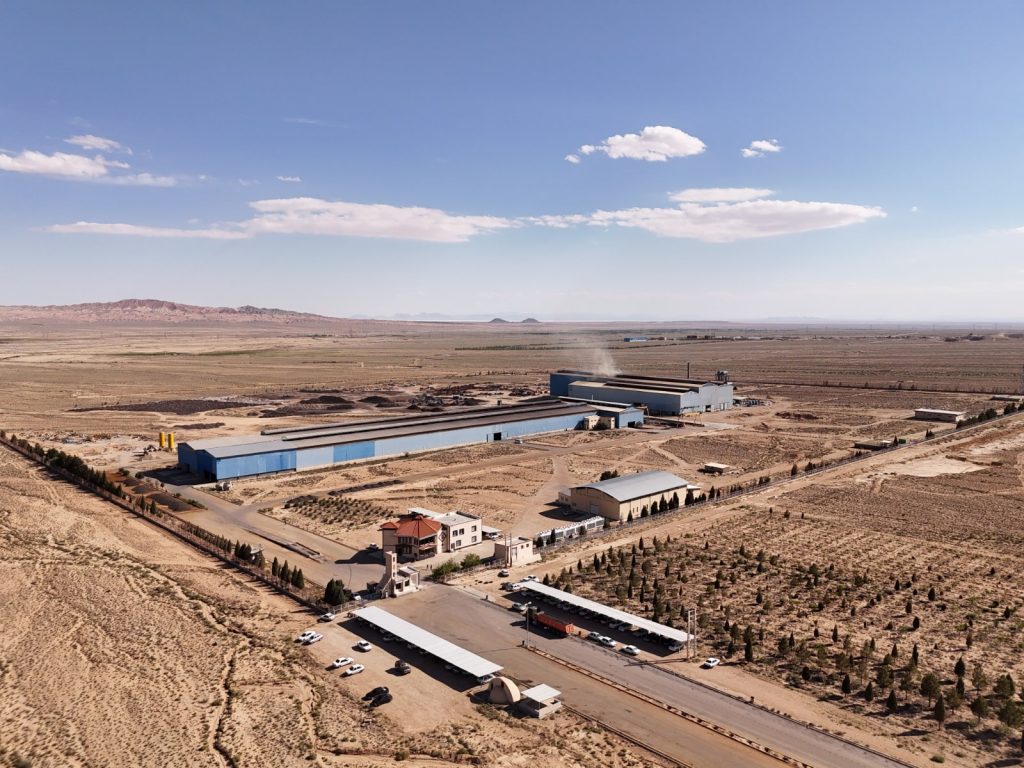
Despite existing challenges, Iran’s steel industry has the potential to become one of the main production hubs in the region. Steel companies like Shahrood Steel can gain a greater share of domestic and international markets by investing in technology and increasing product quality.
